
The London landlord compliance calendar, explained
Gas, electrics, fire, water, energy — what is due, how often, and what happens if it slips.
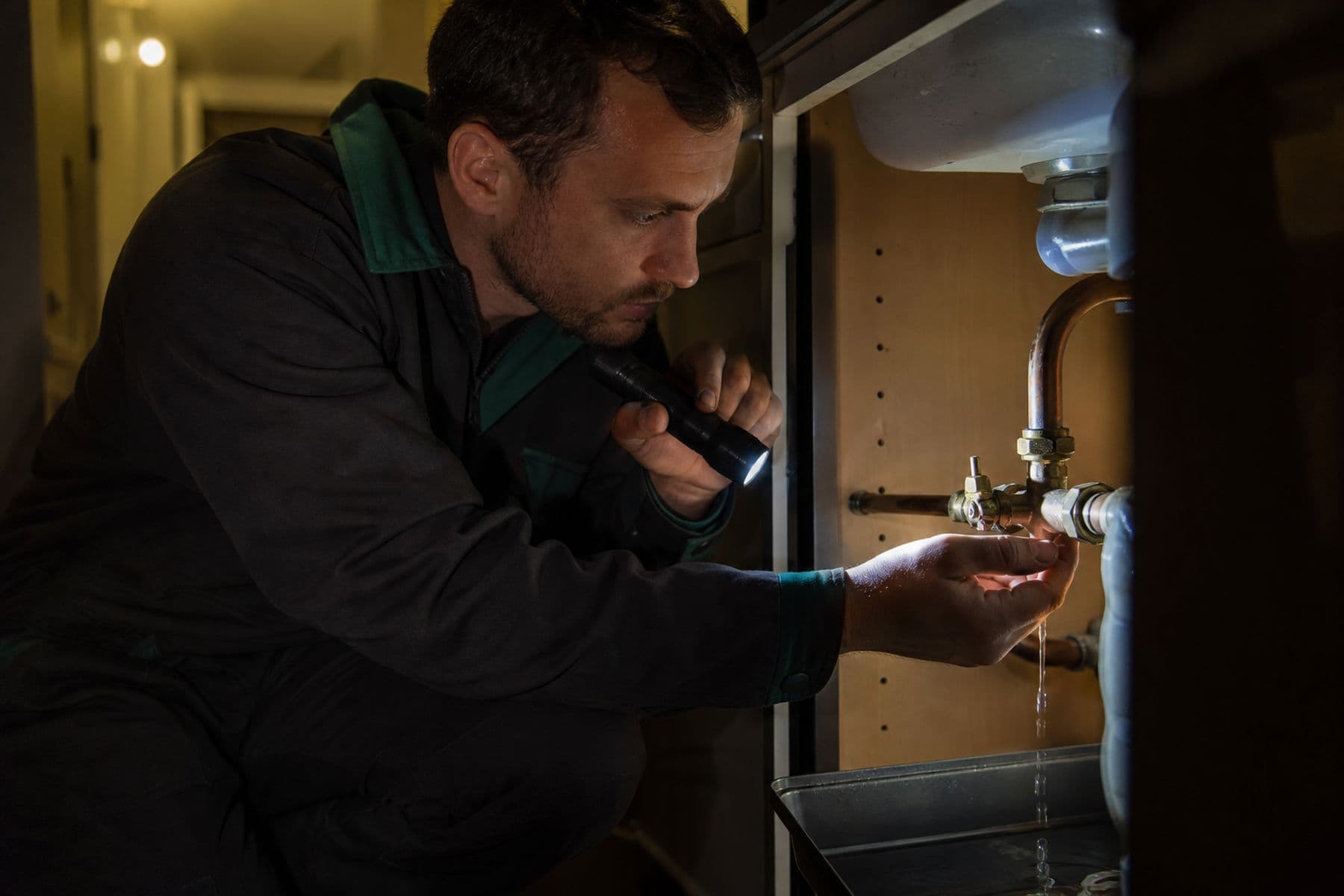
Landlord compliance in London is not one deadline — it is a rolling calendar of overlapping cycles, and most breaches happen not through neglect but through drift.
The annual items are the ones most landlords know. The Gas Safety Certificate (CP12) must be renewed every twelve months for any property with gas appliances, and the record must reach the tenant within 28 days of the check. Smoke alarms must be present on every storey and carbon monoxide alarms in any room with a fixed combustion appliance — checked at the start of every tenancy.
The longer cycles are where drift creeps in. An Electrical Installation Condition Report (EICR) runs on a five-year cycle, or shorter if the previous report says so. Energy Performance Certificates last ten years, but a new tenancy against an expired or sub-standard EPC is a fine waiting to happen. Legionella risk assessments have no fixed statutory interval, but the Health and Safety Executive expects them to be reviewed regularly and after any material change to the water system.
Then there are the event-driven obligations: deposit protection within 30 days, Right to Rent checks before occupation, and the How to Rent guide served at the right moments. Each is simple in isolation; together they form a calendar that punishes anyone managing it from memory.
Our advice is unglamorous but effective. Put every property's cycles in one place, work from renewal dates backwards with at least six weeks of lead time, and file certificates the day they arrive. This is exactly what GEM's subscription plans automate for our clients — the reminders, the bookings and the filed records — but whether or not you use us, the principle stands: compliance is a calendar problem, and calendars are solvable.